Start from your skin’s needs, not the number of products
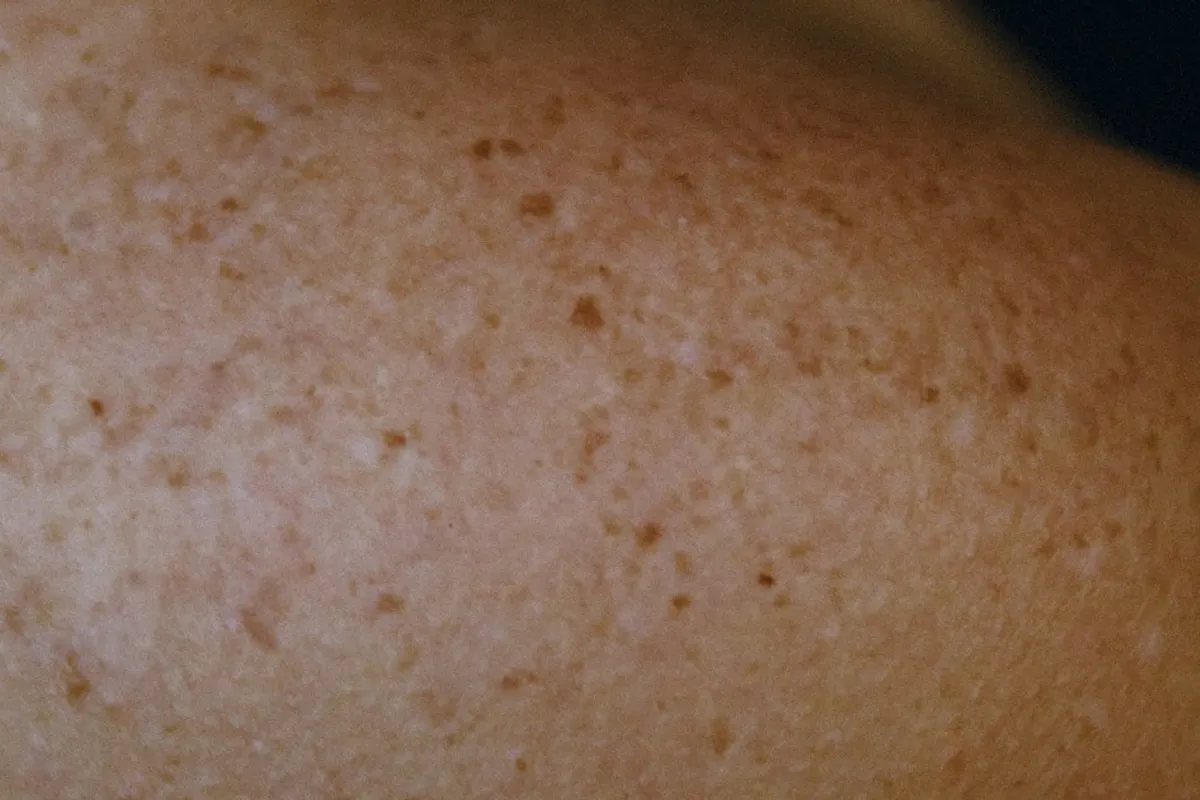
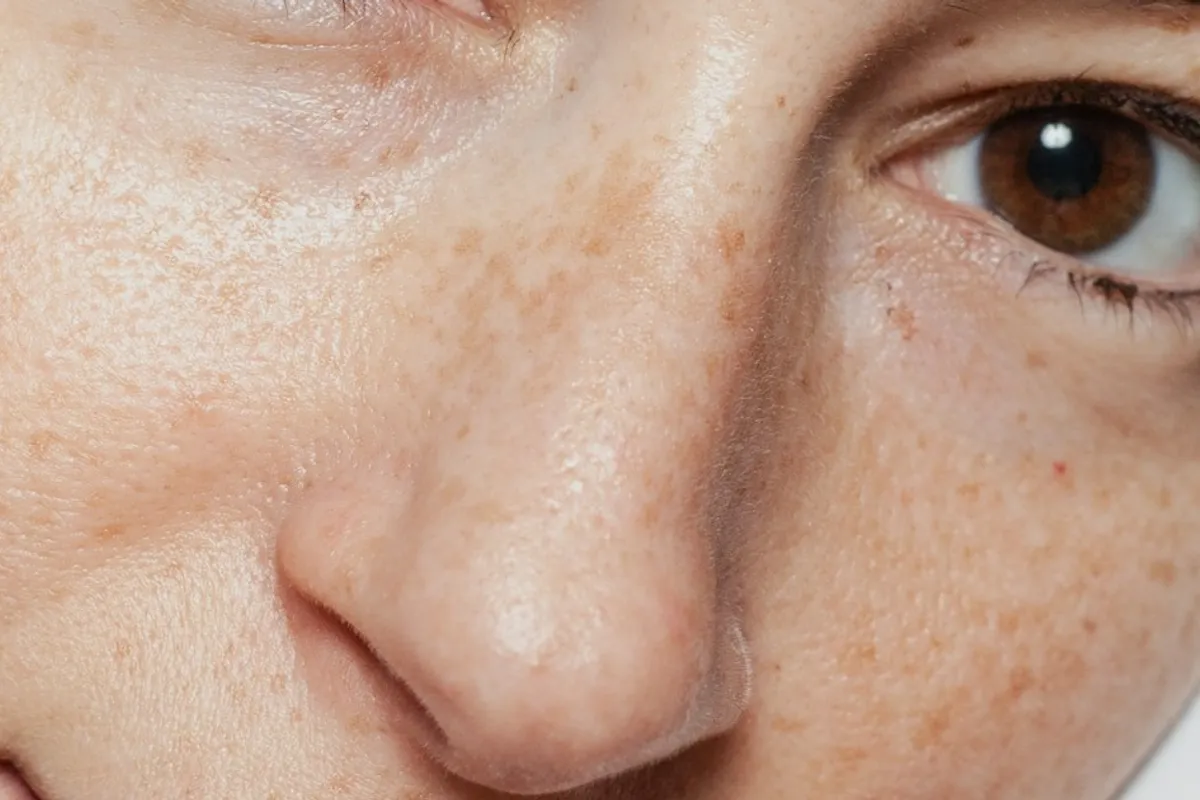
Tightness, redness, spots and flaking are different problems. They are not necessarily solved by the same routine. Before adding a product, write down what you want to change and which of your current products cause discomfort. The basis is usually gentle cleansing, suitable moisturising and sun protection.
A routine does not need to copy someone else’s cosmetics collection. Tolerance, consistency and fitting in with prescribed treatment are what matter. If you have acne, eczema or rosacea, cosmetics can support care but do not replace diagnosis and treatment.
Cleansing without rubbing
Choose a mild, non-abrasive cleanser. Use lukewarm water and your fingertips instead of brushes, rough sponges or a harsh scrub. Pat dry gently. If your skin feels tight after every wash, check whether the product or how often you use it is irritating it.
The usual guide is washing up to twice a day and after heavy sweating, adjusted to tolerance. Makeup or water-resistant sunscreen needs to be removed well, but extra cleansing is not necessary for everyone. Clean skin should not hurt or “squeak”.
Moisturising according to tolerance
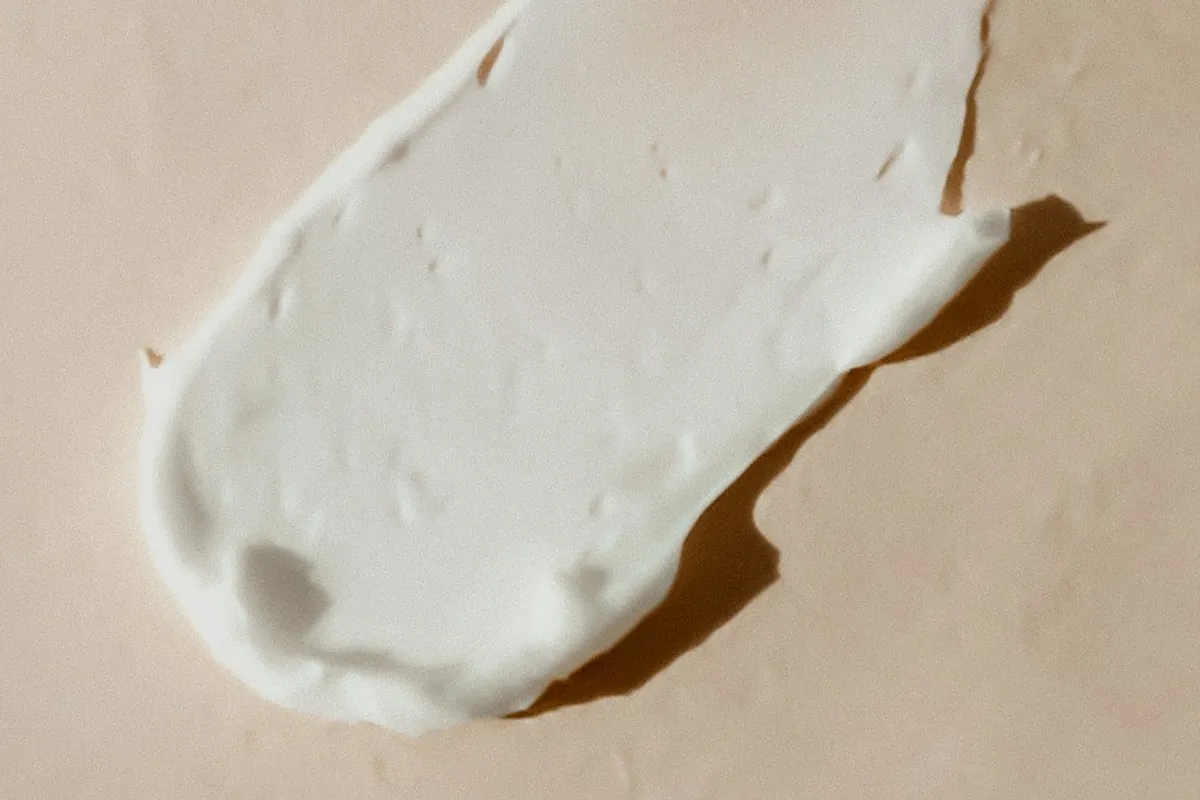
A moisturiser reduces dryness and supports the skin barrier. A fragrance-free cream or ointment is often suitable for dry, sensitive skin. If you are prone to acne, you may prefer a lighter, non-comedogenic formula. Price and the number of active ingredients are not a reliable guide to tolerance.
Applying it after washing, while the skin is still slightly damp, can help hold in water. In eczema, regular emollient use is part of care, but inflammation sometimes also needs medicines. Do not replace prescribed treatment with a moisturiser alone.
Morning and evening: a simple order
Morning: gentle cleansing as needed, moisturiser if the skin is dry, and sunscreen for going outside. Evening: removing makeup and grime, cleansing and moisturising. Prescribed medicines are used in the order and frequency set by your doctor; a general scheme from the internet should not replace those instructions.
Not every evening needs an acid, a retinoid or a mask. Introduce new cosmetic products one at a time. That makes it easier to tell which one causes a reaction. Do not apply a new product to skin that is already sore or broken.
When to change the plan
Persistent burning, swelling, itching or a rash are a reason to stop the new cosmetic product and seek advice. Do not assume every reaction is normal “purging”. If you are on prescription treatment, discuss changes with your doctor. Photos taken in the same light and a short list of products are more useful at a consultation than memories of dozens of brands you have tried.
With acne scars, recurring eczema or persistent redness, an examination is reasonable. The aim is to find the cause and build a realistic routine that does not irritate the skin or require unnecessary purchases.
Sources and further reading
Consultations in Sofia
Dr. Kraevska sees patients at the Dermatologicum clinic in Strelbishte, Sofia, Monday–Friday 14:00–18:00, in English, French, Spanish and Bulgarian.