A new or changing mole
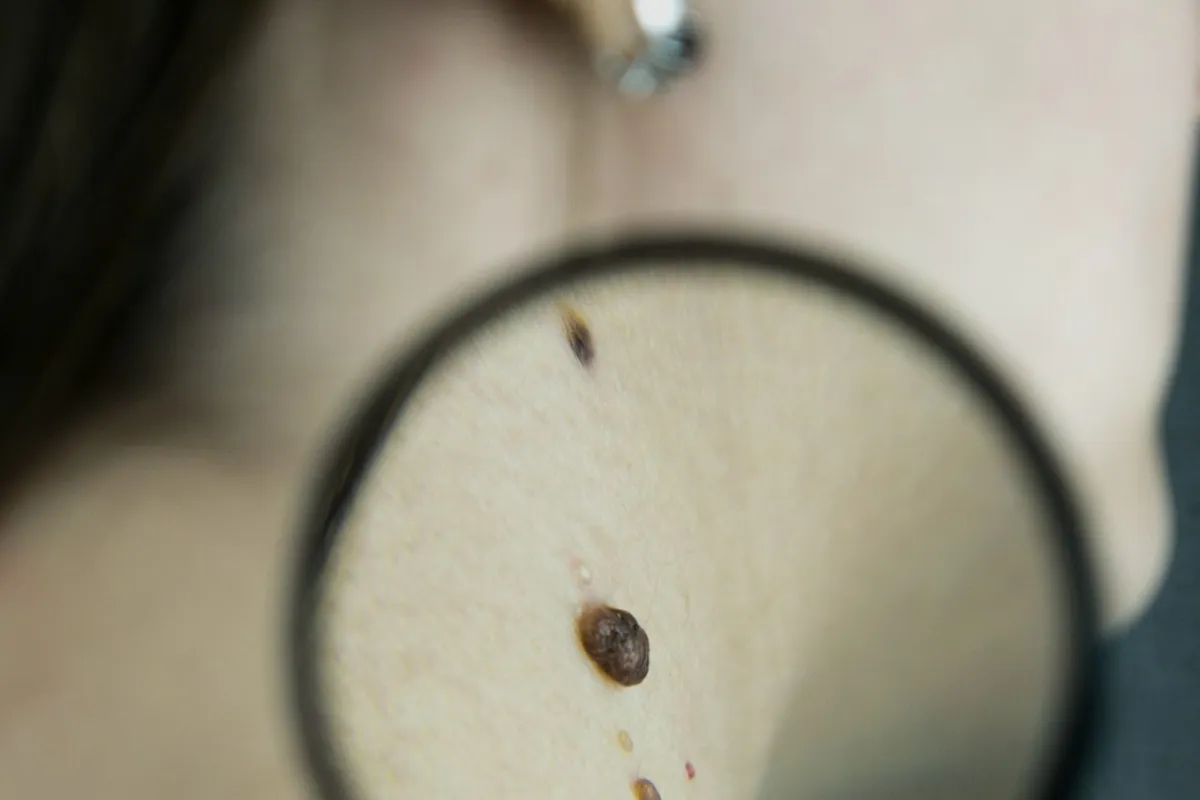
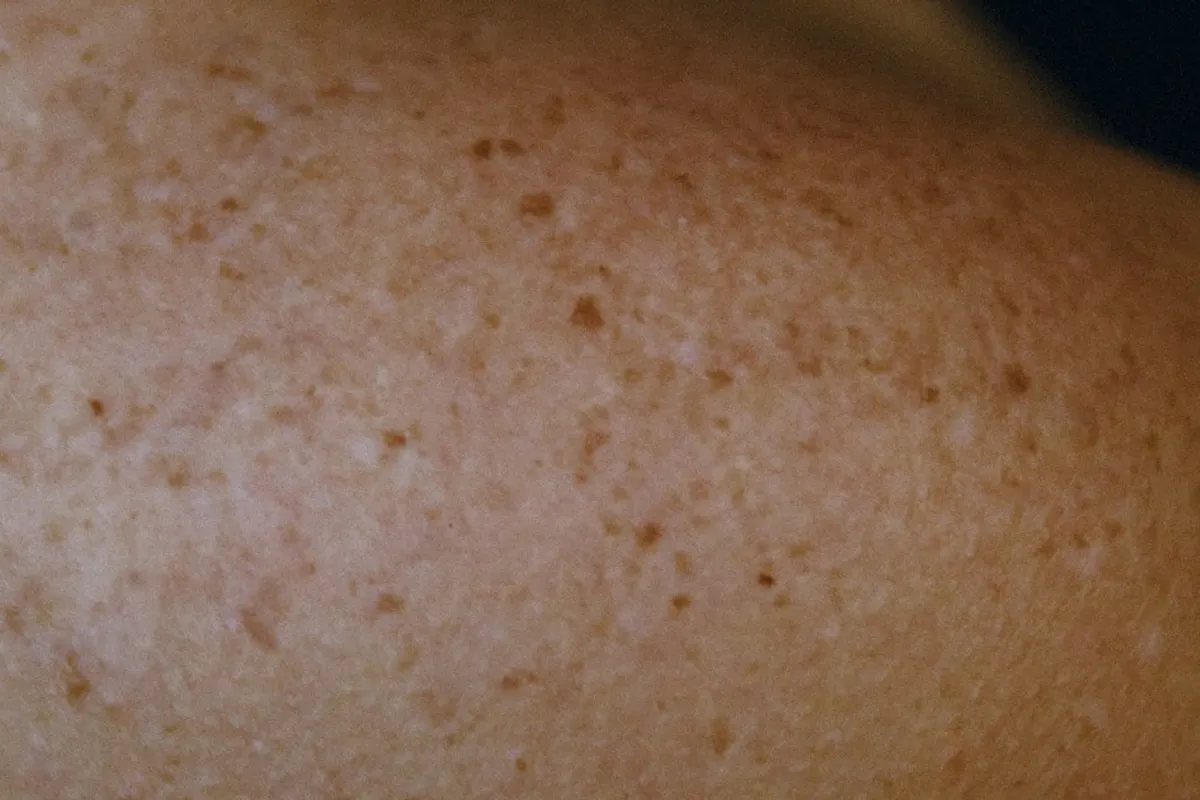
Check your skin for new spots and growths, and for changes in moles you already know. A growth that looks different from the others deserves particular attention. Growth, a change in colour or shape, itching and bleeding without an obvious injury are reasons for a consultation. Not all of these signs need to be present at the same time.
The ABCDE rule helps as a guide: asymmetry, irregular borders, varied colours, diameter and evolution over time. A diameter over 6 mm is a warning sign, but melanoma can also be smaller. The rule is not a home diagnostic test. A suspicious change needs an examination; the doctor decides whether dermoscopy, monitoring or another test is needed.
A rash that keeps coming back or does not settle
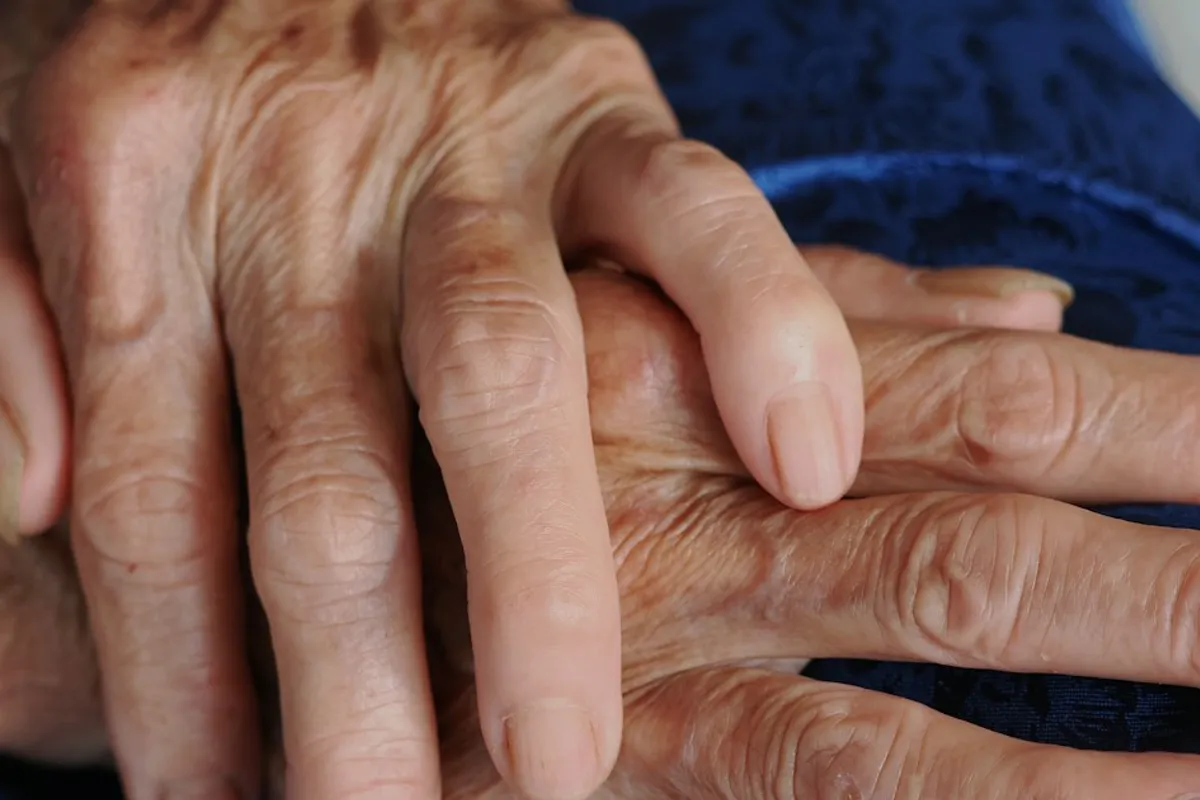
Dryness, redness, itching and cracking can occur in contact dermatitis, but the same symptoms are also seen in other conditions. Note when the problem started, which areas are affected and whether there was a new cosmetic, cleaning product or contact at work. This helps the doctor look for a link with an irritant or allergen.
If symptoms are persistent, recurrent or severe, seek medical assessment. Alternating antibiotic and corticosteroid creams on your own can change how the rash looks and make assessment harder. Do not use someone else’s prescription for a rash that looks similar.
Acne with pain, scarring or a real impact on daily life
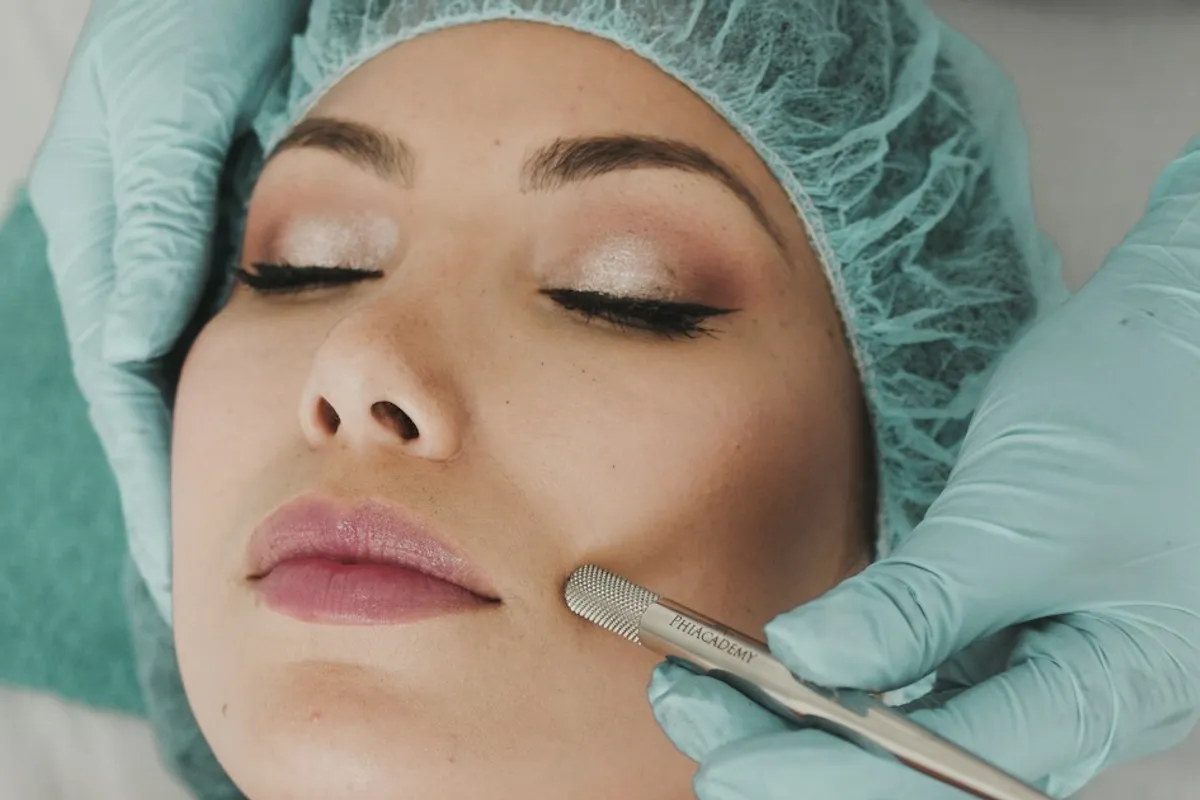
A consultation is reasonable for painful nodules, scars, lasting pigment marks or no improvement despite consistent care. You do not need to wait until the problem is “severe enough” if it makes you avoid meeting people, work or school. Such concerns matter when choosing treatment.
For the appointment, prepare a list of the products you have used and for how long. Mention medicines, supplements, pregnancy or plans for pregnancy. These can change the choice of treatment. Do not squeeze inflamed spots before the visit.
Hair loss and scalp changes
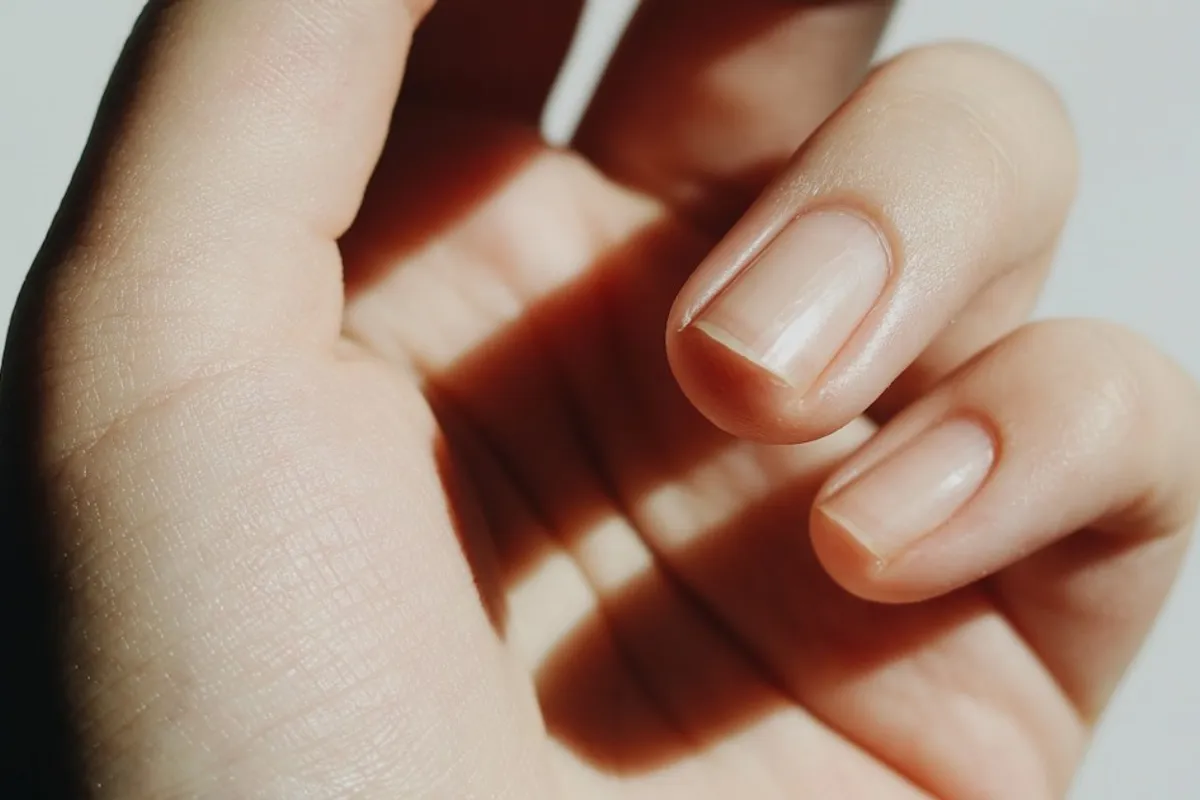
Seek a consultation for clear thinning, bald patches, a change in the hairline, or hair loss with itching, soreness and scaling. The causes vary and treatment depends on them. The number of hairs on your brush is not a reliable diagnosis on its own.
The doctor starts with your history and an examination. Blood tests or a biopsy are ordered only when there is a specific reason. There is no need to buy a broad panel of tests or supplements in advance. Information about when it started, illness, childbirth, changes in diet and medicines is useful.
Routine checks and urgent symptoms
How often preventive checks are needed depends on personal risk: many or atypical moles, a previous skin tumour, family history and other factors. There is no single schedule for everyone. At the appointment you can also discuss how to watch your skin between visits.
For breathing difficulty or rapidly increasing facial swelling, call 112 for emergency help. A severe rash with blisters, involvement of the mouth or eyes, fever or marked general illness needs immediate medical assessment. Do not wait for a routine appointment slot.
Sources and further reading
Consultations in Sofia
Dr. Kraevska sees patients at the Dermatologicum clinic in Strelbishte, Sofia, Monday–Friday 14:00–18:00, in English, French, Spanish and Bulgarian.